An advocate reflects on a leadership journey that began at 16, grew through GIMAC and reached the UN Commission on the Status of Women.
My journey into continental and global gender advocacy began in 2014, when I was just 16 years old. That year, I attended my first Gender Is My Agenda Campaign (GIMAC) engagement an experience that would shape the direction of my life. I got here because Rozaria Memorial Trust (RMT) believed in me before I fully believed in myself.
Investment in young women and girls must begin at home.
Through RMT’s sponsorship and mentorship, I was able to participate in regional advocacy training in Addis Ababa. For the first time, I was introduced to the language of development sexual and reproductive health and rights (SRHR), gender equality, and policy advocacy. More importantly, I was given the confidence to speak, to question, and to imagine myself as part of these conversations. That exposure ignited a deep and lasting passion for girls’ and women’s rights.
As I continued to engage in GIMAC meetings and high-level advocacy spaces, I was mentored by senior women leaders who modelled what courageous, principled leadership looks like. Among them was Dr. Nyaradzayi Gumbonzvanda, whose guidance strengthened my commitment to advocacy beyond conference rooms and formal meetings. With RMT’s continued support, I found myself engaging with African leaders, including the late President Robert Mugabe, and participating in high-profile discussions that reinforced a powerful lesson: advocacy does not end when the meeting closes. It continues in communities, in policy follow-ups, and in how we amplify the voices that are often excluded.
In March 2023, I was elected Chair of the GIMAC Young Women’s Network (GYWN). This milestone was not mine alone it was the result of years of mentorship, exposure, and intentional investment by RMT. It affirmed what is possible when young women are trusted, supported, and given access to leadership spaces. I remain committed to mentoring other young women and expanding the reach of the network across Africa, working towards a unified and influential youth voice within the gender equality agenda.
I had the honour of attending the sixty-ninth session of the Commission on the Status of Women (CSW69) at the United Nations Headquarters in New York. Representing the GIMAC Young Women’s Network, I participated in a series of events that amplified youth voices while also highlighting Africa’s progress and its unfinished work in advancing gender equality.
One of the most significant moments for me at CSW69 was participating in the Global Youth Forum. This space allowed young people to engage critically with the Beijing Platform for Action, reflect on progress across countries, and celebrate a major milestone: the adoption of the Convention on Ending Violence against Women and Girls in Africa. It was both a celebration and a call to action. A powerful symbol throughout the forum was an empty chair placed at the podium, representing the countless young women and girls who lacked the resources or access to be present and speak for them in the CSW process. That image remains with me.
Another highlight was a UN Women-facilitated event celebrating the adoption of the Convention on Ending Violence against Women and Girls. As a young African woman, I felt immense pride witnessing the global community stand with Africa while engaging in critical conversations about ratification and implementation. It was a reminder that policy victories matter but only when they translate into real change for women and girls on the ground.
What stood out most to me at CSW69 was the visible leadership of young women exercising agency and shaping global advocacy. These moments called for meaningful engagement of young women not merely as participants, but as decision-makers.
During these sessions, my message to decision-makers across Africa was, to take ownership of funding and supporting young women’s participation in gender equality advocacy. Investment in young women and girls must begin at home. African governments and institutions need to prioritise funding for youth-led initiatives, ensuring that young women have the platforms, resources, and opportunities to engage meaningfully in decision-making processes.
To my fellow young feminists, my message is, let’s start now. The future of gender equality in Africa depends on the actions we take today.
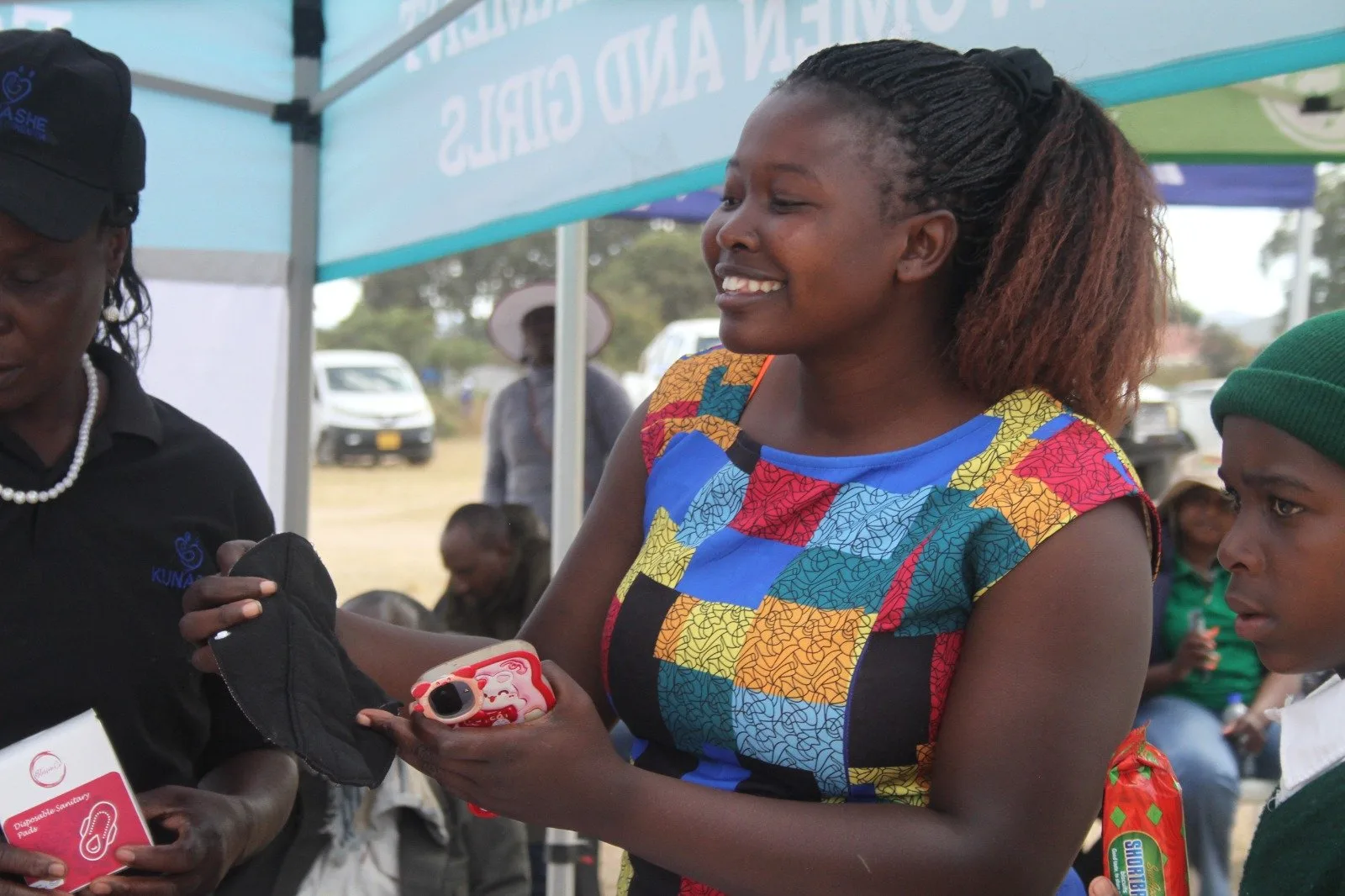
Adapted from the success stories supplied by RMT. The source does not name the narrator or specify a publication date. Photographs illustrate RMT’s wider work and do not identify the narrator.