Safety and recovery
Dendere Emergency Shelter at the RMT Education and Counselling Centre has provided a place of safety since 2019. Support connects survivors with health care, psychosocial care, legal services and follow-up referrals.
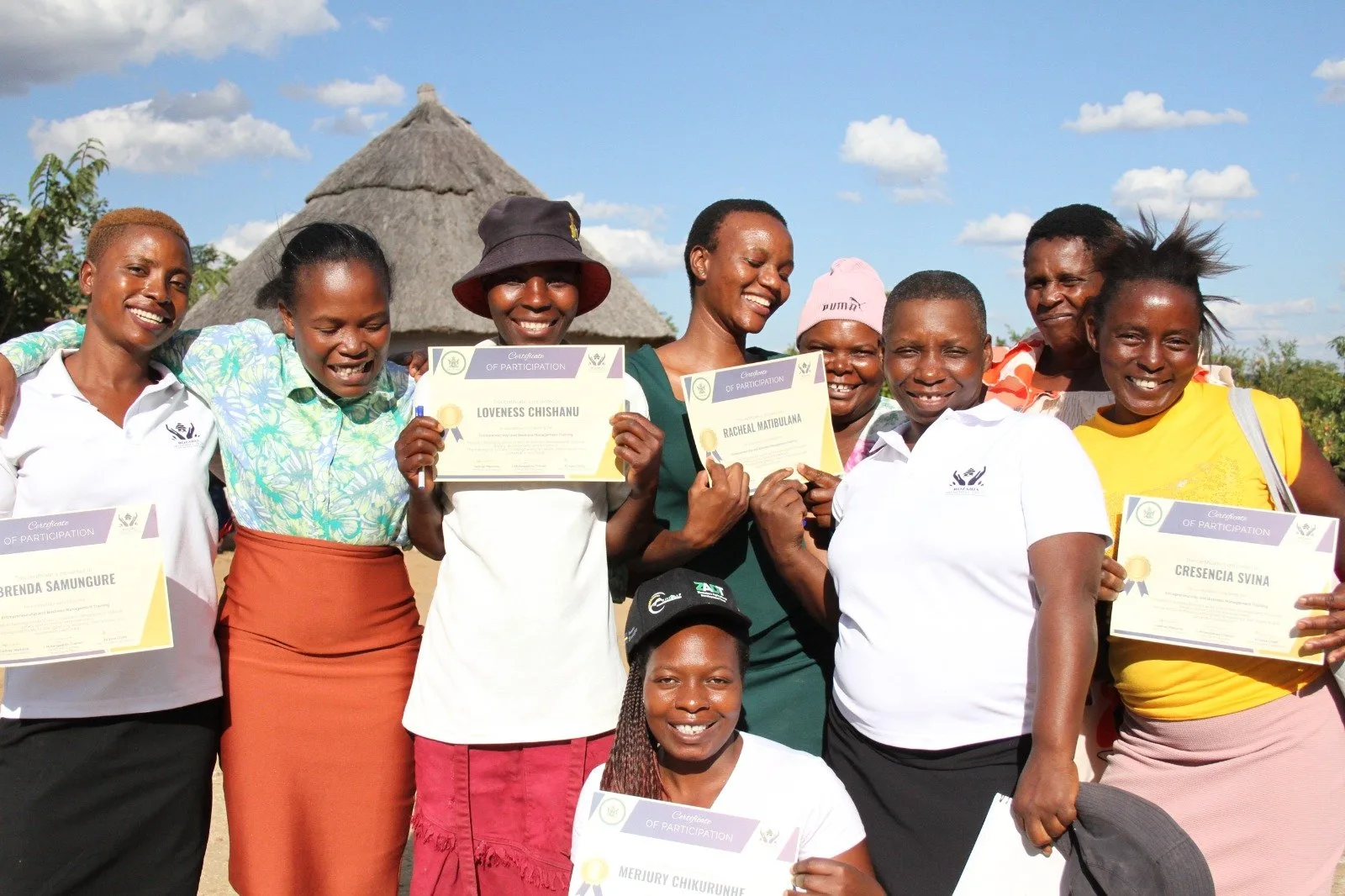
Community-centred prevention, survivor support and access to justice.
Dendere Emergency Shelter at the RMT Education and Counselling Centre has provided a place of safety since 2019. Support connects survivors with health care, psychosocial care, legal services and follow-up referrals.
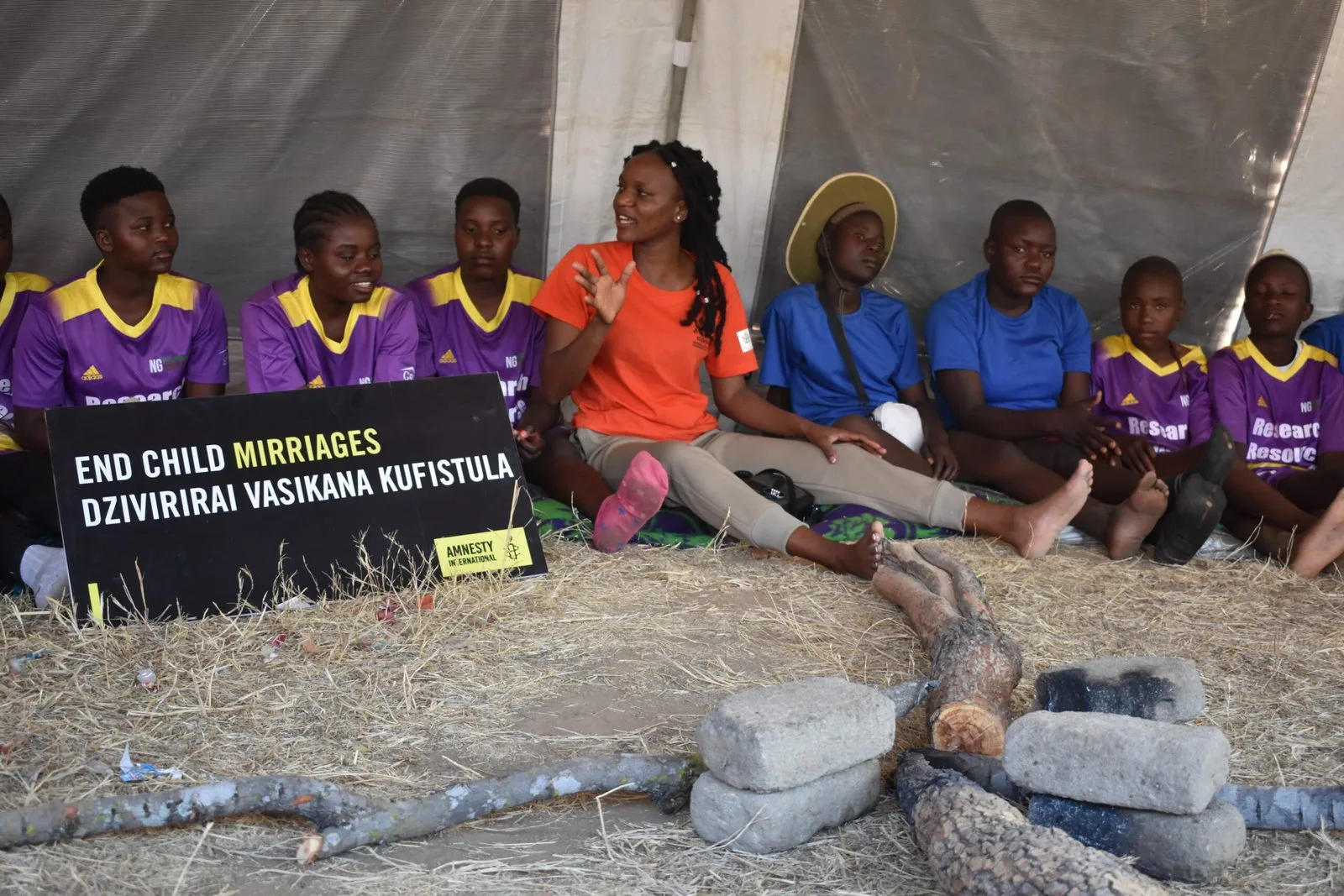
Chiefs’ commitments, community dialogues and engagement with traditional and religious leaders, men and boys challenge violence, child marriage and harmful practices.
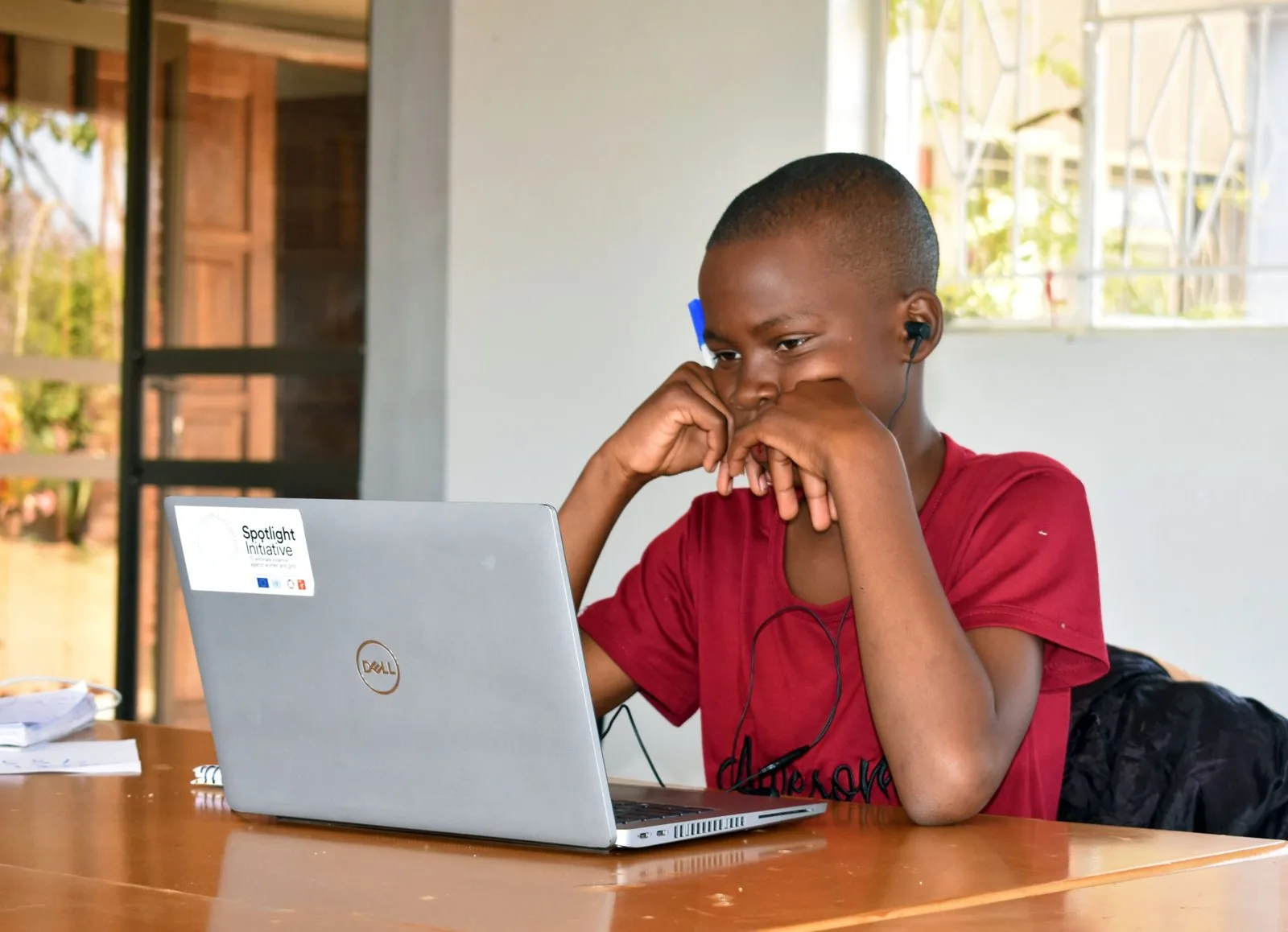
Digital literacy and online safety complement community protection work, helping women and girls recognise risks and seek trusted support.
Safe spaces where girls and young women learn, lead and exercise their rights.
Village- and school-based Nhangas draw on indigenous knowledge and intergenerational dialogue. Girls set priorities, build confidence and discuss sexual and reproductive health and rights (SRHR).
Mentorship, fellowships, alumni networks and career exposure connect young women with opportunities to influence decisions in their communities and beyond.
Relationships with clinics and hospitals support access to health information and referrals. Sports tournaments create opportunities for teamwork, confidence and dialogue on gender equality.
Inclusive learning, digital confidence and pathways to economic independence.
Education outreach, scholarship support, school re-entry and psychosocial support help address barriers faced by girls and other vulnerable learners.
RMT combines financial literacy, enterprise and life skills with practical training. Experience includes detergent making, bag weaving, poultry and horticulture; partnerships aim to expand market-relevant technical and vocational education and training (TVET).
The Dura reruZivo Ulwazi Feminist Knowledge Hub at Magaya Village brings together computers, internet access and digital learning. Skills also support creative storytelling and community advocacy.
Women’s leadership in food security, natural resources and economic decisions.
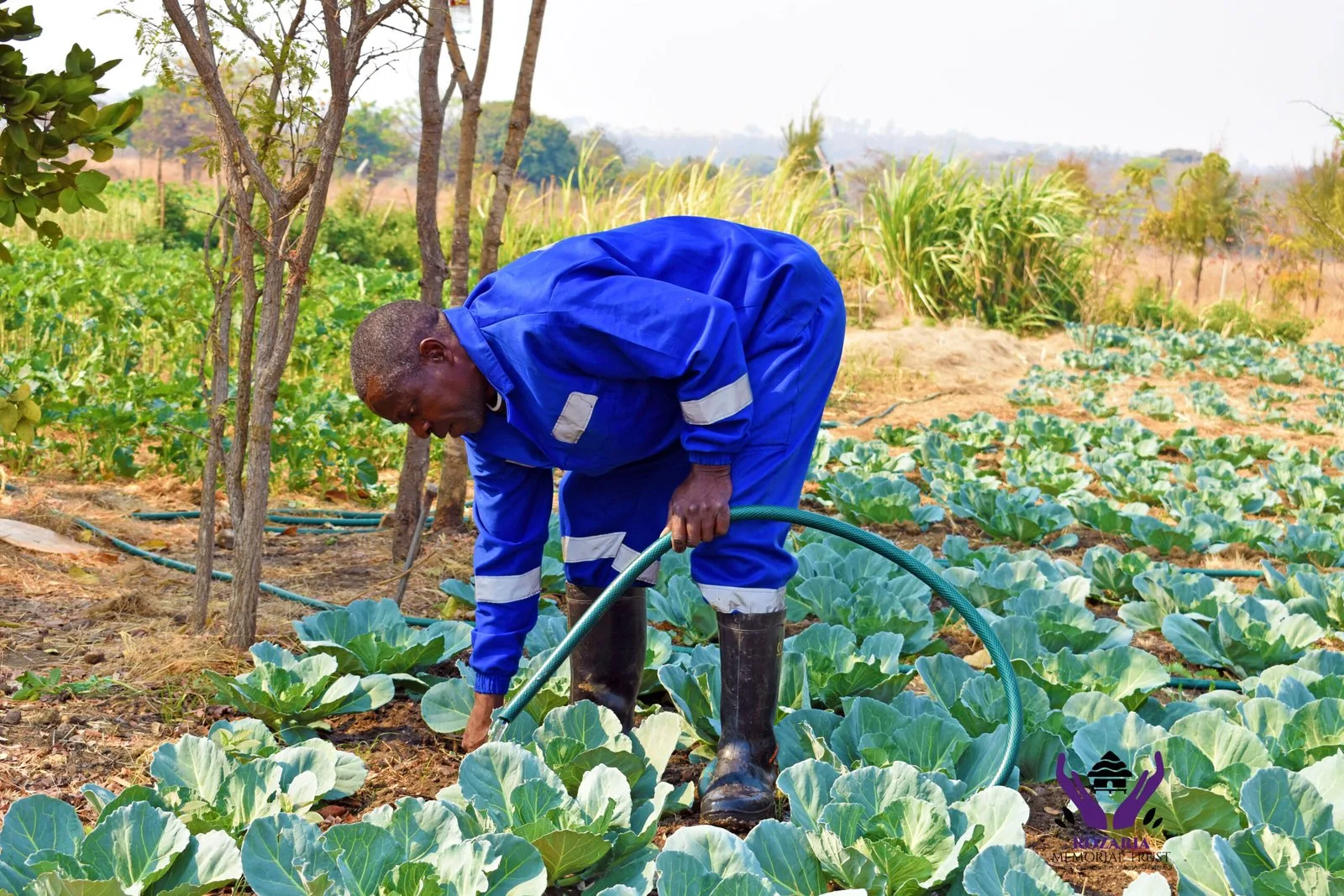
Climate-smart agriculture, water access and women-led livelihoods connect food security with care for the environment. Zunde raMambo draws on shared labour and harvests to support community wellbeing.
Tseketsa Kuwanasikana, introduced in 2021, uses hens as starter assets for girls. Enterprise skills and livelihood initiatives support practical routes towards income and greater agency.
Community dialogue addresses equitable access to land and resources and women’s participation at village, ward and district levels. RMT’s forward priorities include stronger climate preparedness and resilience.
Community evidence informing policy and public action.
Research and documentation examine gender, SRHR, violence, disability and access to resources. Policy briefs and community accounts connect lived experience with programme learning.
Documented collaborations include King’s College London, University College London and Deaf Zimbabwe Trust, alongside regional academic and civil-society networks.
RMT engages national platforms, SADC, the African Union and the UN Commission on the Status of Women. Its work includes advocacy against child marriage and contributions to discussions on ending violence against women and girls.
Football and running bring people together. Through sport, RMT creates opportunities for girls and young women to build confidence, develop leadership and connect with their communities.
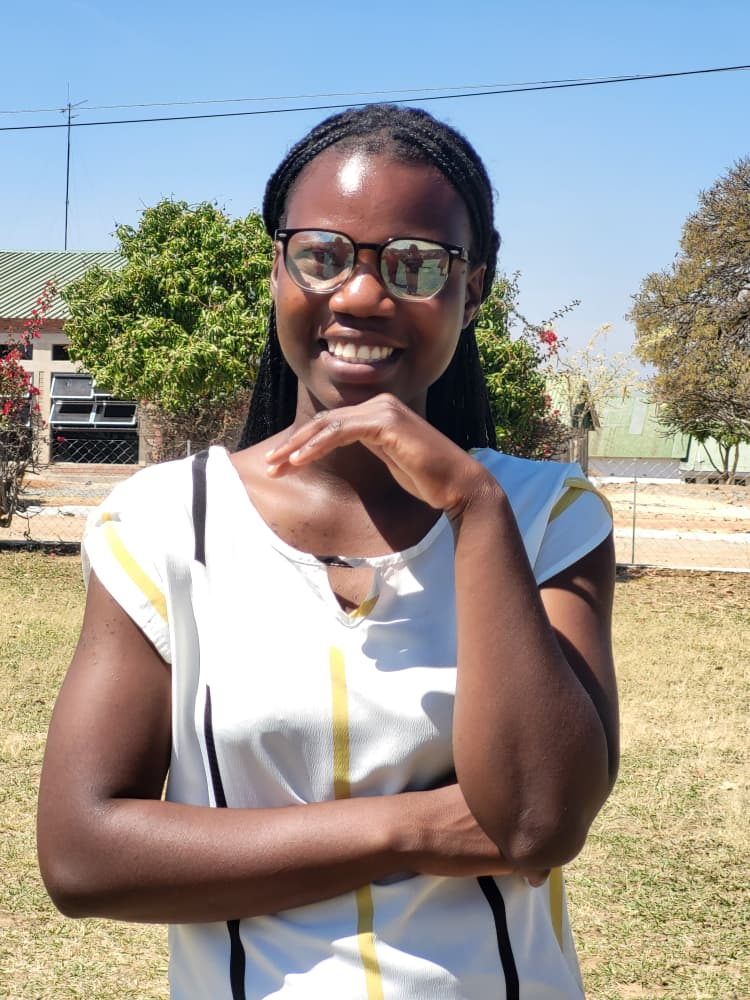
Teacher-in-training. Player. Coach. Advocate.
With RMT’s support, Tendai has pursued her education at Madziwa Teachers College while developing her talent on the pitch and mentoring other girls. Her journey shows how education, sport and leadership can grow together.
Photographs supplied by RMT. Match and running photographs show the wider sport component; they are not all photographs of Tendai.
We use photography to show agency and collaboration—never to reduce people to need.